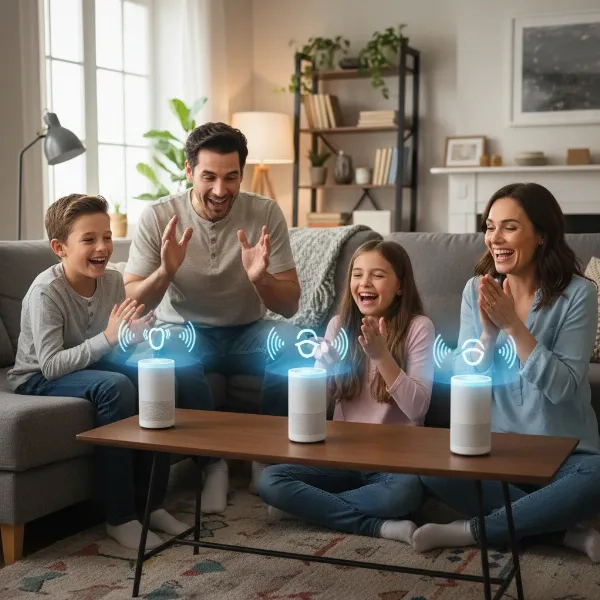
The landscape of smart speakers has exploded since the early days of the Amazon Echo, transforming how we interact with technology and manage our homes. While Amazon’s own Echo devices are ubiquitous, a growing number of third-party manufacturers are integrating Alexa, Amazon’s intelligent voice assistant, into their own speaker systems. This offers consumers a broader spectrum of choices, but it also introduces a critical decision: should you stick with Amazon’s offerings or venture into the world of third-party Alexa speakers? Understanding the unique advantages and disadvantages of these alternative devices is key to making an informed choice that perfectly suits your lifestyle and audio preferences.
Popular Third-Party Alexa Speakers on the Market
Overview of Smart Speakers
|
Our Picks for the Best Smart Speaker in 2026
As an Amazon Associate I earn from qualifying purchases.
|
||
| Num | Product | Action |
|---|---|---|
| 1 | Belkin SOUNDFORM Elite Hi-Fi Smart Speaker + Wireless Charger (Alexa Voice-Controlled Bluetooth Speaker) Sound Technology By Devialet, Fast Wireless Charging for iPhone, Samsung Galaxy & More - White |

|
| 2 | WiiM Sound Lite Smart Speaker, Hi‑Res 24‑bit/192 kHz, AI RoomFit™ Room Correction, 100W Peak, Wi‑Fi 6E/Bluetooth 5.3, Multi‑Room & Stereo Pairing, Black |
|
| 3 | Bluetooth Speaker with HD Sound, Portable Wireless, IPX5 Waterproof, Up to 20H Playtime, TWS Pairing, BT5.3, for Home/Party/Outdoor/Beach, Electronic Gadgets, Birthday Gift (Black) |
|
| 4 | Bluetooth Speaker with HD Sound and Lights, Portable Wireless, Long-lasting battery life, TWS Pairing, for Home/Party/Outdoor/Travel/Beach, Stocking Stuffers, White Elephant Gifts for Adults (Black) |
|
| 5 | aowoka Bluetooth Speaker, 2025 Portable Wireless Speakers with Led Light, Bluetooth 5.4, 24H Playtime, Enhanced Bass, IPX7 Waterproof, Outdoor Speaker for Travel, Sport, Party, Biking. |
|
| 6 | Sonos Era 100 - White - Wireless, Alexa Enabled Smart Speaker |
|
| 7 | Sony SRS-XB100 Wireless Bluetooth Portable Lightweight Super-Compact Travel Speaker, Durable IP67 Waterproof & Dustproof Shower Speaker, 16 Hour Battery, Versatile Strap, & Hands-free Calling, Black |
|
| 8 | Mini Bluetooth Speaker, Smart Wireless Portable Speaker with Touchscreen, Loud HD Sound, LED Lights, BT5.4, All In One Small Audio for Home/Outdoor/Travel/Shower/Party/Beach/Camping/Hiking/Cycling |
|
| 9 | Portable Bluetooth Speaker Valentines Gifts For Him: Powerful Crystal Clear Sound/Romantic Light/IPX5 Waterproof/All Day Playtime/BT 5.3/TWS Paring,Small Wireless Speaker for Outdoor-Travel-Date Night |
|
| 10 | Google Audio Bluetooth Speaker - Wireless Music Streaming, Powerful Sound, Assistant Built-in, Wi-Fi and Bluetooth Connectivity, Smart Home Control, Stereo Pairing - Chalk |
|
A smart speaker is an artificial intelligence-powered speaker that connects to the internet, allowing users to control it with voice commands. These devices can perform a myriad of tasks, from playing music and setting alarms to providing news updates, checking the weather, and controlling compatible smart home gadgets. The evolution of smart speaker technology has been rapid, moving from basic voice assistants to sophisticated hubs capable of managing complex routines and interacting with a vast ecosystem of connected devices. Amazon’s Alexa, alongside Google Assistant and Apple’s Siri, stands as a leading voice assistant, deeply integrated into Amazon’s own Echo line of products and increasingly into devices from other manufacturers.
Brands Offering Alexa Built-In
Beyond Amazon’s Echo lineup, a diverse array of reputable audio companies have embraced Alexa integration, offering consumers more choices in terms of sound quality, design, and additional features. Prominent examples include Sonos, known for its multi-room audio systems; Bose, a leader in premium sound; Denon, with its high-resolution audio offerings; and Audio Pro, recognized for its blend of design and performance. These brands typically offer “Alexa Built-in” functionality, meaning the assistant resides directly within the speaker, similar to an Echo device, allowing for direct voice interaction without needing a separate Amazon Echo.
Categorization by Features and Design
Third-party Alexa speakers often distinguish themselves through specialized features and unique designs. Many are crafted with a primary focus on delivering superior audio quality, targeting audiophiles or those who prioritize music playback over basic smart assistant functions. You’ll find a range from compact, portable speakers designed for on-the-go listening to larger, more robust units intended for immersive home audio experiences. Some even boast unique aesthetics, employing premium materials and distinct form factors to blend seamlessly into modern home decor, offering a more refined look than standard Amazon devices.
The Advantages of Choosing a Third-Party Alexa Speaker
Superior Audio Quality
One of the most compelling reasons to opt for a third-party Alexa speaker is the potential for significantly enhanced audio performance. While Amazon’s Echo devices offer decent sound for their price, many dedicated audio brands bring decades of expertise in speaker engineering. Companies like Sonos, Bose, and Denon design their Alexa-enabled speakers with high-fidelity sound as a priority, incorporating advanced acoustics, better drivers, and sophisticated digital signal processing. This results in richer bass, clearer mids, and crisp highs, providing a much more enjoyable and immersive listening experience for music enthusiasts.
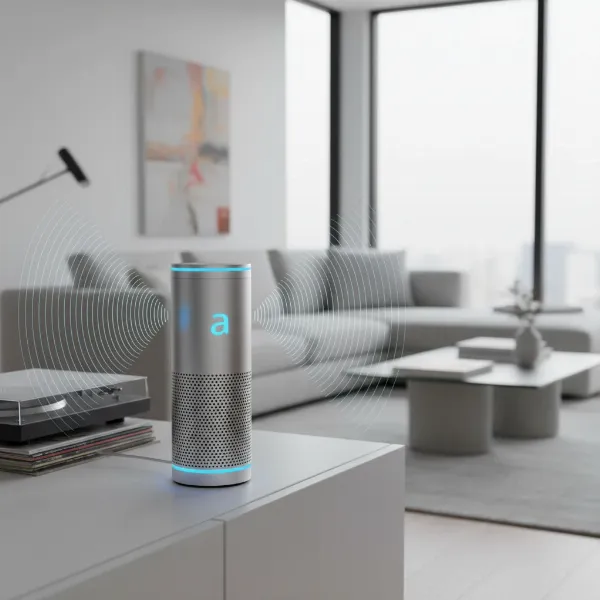 A sleek, high-end third-party Alexa speaker delivering rich, clear audio in a modern living room.
Premium Design and Aesthetics
Third-party manufacturers often invest heavily in the design and build quality of their speakers. This translates into a wider variety of aesthetic choices, from minimalist and elegant designs to robust and industrial looks. Users can find speakers made with premium materials such as brushed aluminum, fine fabrics, and natural wood finishes, allowing the device to act as both a smart hub and a stylish piece of home decor. This focus on design ensures that the speaker not only sounds good but also looks good, integrating seamlessly into various interior styles rather than standing out as a purely functional gadget.
Extended Features and Ecosystem Integration
Beyond superior sound and design, many third-party Alexa speakers come with additional functionalities that go beyond what Amazon’s standard Echos offer. For instance, brands like Sonos are renowned for their robust multi-room audio capabilities, allowing users to effortlessly synchronize music across multiple speakers throughout their home. Some third-party devices also support dual voice assistants, providing the flexibility to switch between Alexa and Google Assistant. Furthermore, these speakers often integrate deeply with their brand’s specific app ecosystem, offering more granular control over audio settings, equalizer adjustments, and integration with a wider range of music streaming services.
The Disadvantages of Choosing a Third-Party Alexa Speaker
Limited Alexa Functionality and Updates
While third-party speakers have Alexa “Built-in,” they may not always offer the exact same feature set or receive updates at the same pace as Amazon’s first-party devices. This can manifest as delays in accessing brand-new Alexa features, or in some cases, certain niche functionalities might be entirely absent. For example, Amazon’s latest AI-enhanced Alexa+ has been announced for its own Echo Show devices first, with no clear timeline for its rollout to third-party speakers. This potential disparity means that users seeking the very latest Alexa innovations might sometimes find themselves a step behind with non-Amazon hardware.
Microphone Performance and Voice Command Accuracy
A critical aspect of any smart speaker is its ability to accurately hear and interpret voice commands. Some third-party Alexa speakers, especially earlier models or those from less specialized brands, have been noted for having less robust microphone arrays or less sophisticated voice processing compared to Amazon’s own Echo devices. This can lead to a frustrating experience where users have to repeat commands, speak louder, or be closer to the speaker for Alexa to respond reliably. In a household where voice commands are frequent, this can significantly detract from the overall smart speaker experience.
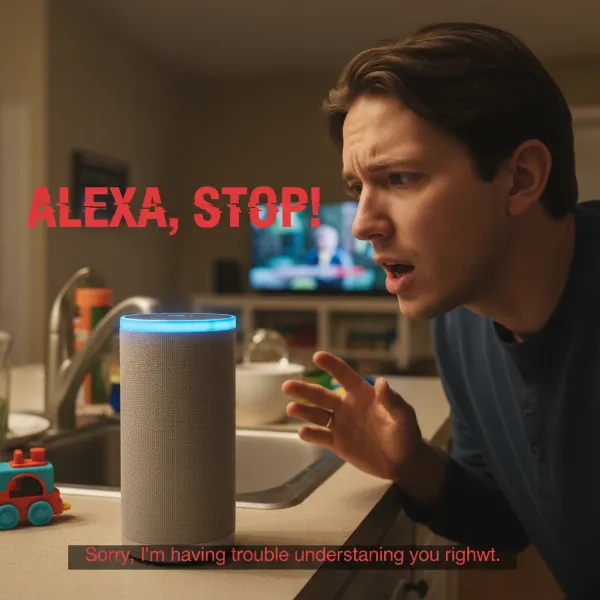 A person leaning close to a third-party Alexa speaker, struggling to be heard by the microphone in a busy room.
Higher Price Point
Generally, third-party Alexa speakers, particularly those boasting premium audio quality and design, come with a higher price tag than Amazon’s Echo devices. While an Amazon Echo Dot can be purchased for a relatively low cost, a high-fidelity Alexa-enabled speaker from a brand like Sonos or Bose can cost several times more. This price difference reflects the investment in superior sound components, advanced engineering, and often more refined aesthetics. Consumers on a tight budget or those prioritizing basic smart assistant functionality over top-tier audio might find the cost of third-party options prohibitive.
Dependency on Internet Connectivity
This is a common characteristic across virtually all smart speakers, including third-party Alexa devices. For Alexa to function as a smart assistant, process commands, access cloud services, and stream music, a stable and active internet connection is essential. Without Wi-Fi connectivity, these speakers often revert to being basic Bluetooth speakers, losing all their “smart” capabilities. Users in areas with unreliable internet or prone to frequent outages might find their smart speaker functionality severely limited, underscoring a shared vulnerability for all intelligent voice-controlled devices.
Privacy Concerns
Like all smart speakers that rely on a wake word, third-party Alexa devices are continuously listening for their activation phrase (“Alexa”). While they are designed to only record and transmit audio to the cloud after the wake word is detected, the “always-listening” nature can raise privacy concerns for some users. Discussions around data retention, how voice recordings are used, and the potential for accidental activations are ongoing. While many devices offer physical microphone mute buttons, it’s a factor to consider for anyone concerned about the privacy implications of having an always-on listening device in their home.
How to Choose the Right Alexa Speaker for You
Assess Your Primary Needs
Before diving into the myriad of options, clearly define what you want most from your smart speaker. Are you an audiophile seeking the best possible sound quality for your music collection, with smart features as a secondary benefit? Or is your priority robust smart home control and quick access to Alexa’s vast array of skills, with audio quality being less critical? Your budget is also a crucial consideration, as it will significantly narrow down your choices. Understanding these priorities will guide you towards the most suitable category of speakers.
Compare Brands and Models
Once your needs are clear, begin researching specific brands and models. Look into comprehensive reviews from reputable tech publications and, if possible, listen to demos of different speakers to gauge their sound profile. Pay close attention to specifications like driver size, amplifier wattage, and connectivity options (Wi-Fi, Bluetooth, auxiliary input). Consider how a new speaker will integrate with your existing smart home ecosystem – for instance, if you already own Sonos speakers, adding another Sonos Alexa-enabled device might be a seamless fit.
Key Factors to Consider
When evaluating potential purchases, several factors stand out:
- Sound Quality: If music is paramount, compare bass depth, vocal clarity, and overall soundstage.
- Connectivity: Ensure it supports your preferred streaming methods and any auxiliary inputs you might need.
- Smart Features and Assistant Responsiveness: Read reviews about microphone performance and the speed/accuracy of Alexa’s responses.
- Design and Build Quality: Consider how the speaker will look in your home and its durability.
- Price and Long-Term Value: Weigh the initial cost against the features, sound quality, and expected lifespan.
Comparison Table: Amazon Echo vs. Popular Third-Party Alexa Speakers
| Model | Pros | Cons | Key Feature |
|---|---|---|---|
| Amazon Echo (latest gen) | Cost-effective, full Alexa features, quick updates, wide smart home compatibility | Audio quality can be average compared to premium alternatives, basic design | Deep Amazon ecosystem integration |
| Sonos Era 100/300 | Excellent audiophile-grade sound, robust multi-room audio, premium design | Higher price, Alexa feature parity sometimes delayed | Immersive sound, flexible multi-room system |
| Bose Smart Speaker 500 | Premium sound with wide soundstage, sleek and durable design | High price, some users report occasional microphone issues | High-quality audio with integrated display |
| Denon Home Series | Hi-Res audio support, HEOS multi-room technology, robust build quality | Higher price point, Alexa integration might feel less ‘native’ than Amazon’s | Audiophile sound, extensive connectivity |
Tips for Maximizing Your Third-Party Alexa Speaker Experience
To get the most out of your third-party Alexa speaker, strategic placement is crucial. Positioning it centrally in a room, away from walls and corners, often optimizes both sound dispersion and microphone pickup, ensuring Alexa hears your commands clearly. Regularly checking for and installing software updates is also vital, as these updates often introduce new features, improve performance, and address any bugs. Integrate your speaker with other smart home devices, such as smart lights or thermostats, to unlock its full potential as a central control hub. Finally, explore the unique features offered by the specific brand – many third-party speakers provide proprietary app controls or audio enhancements that can further elevate your listening and smart home experience.
“When choosing a smart speaker, the real magic happens when the technology disappears into your daily life. Third-party devices often offer that blend of superior sound and thoughtful design that makes the experience truly seamless and enjoyable.” – Sarah Chen, Smart Home Technology Analyst
Conclusion
The decision between an Amazon Echo and a third-party Alexa speaker ultimately boils down to a thoughtful balance of priorities. While Amazon’s own devices offer the most direct and often the most affordable route into the Alexa ecosystem, third-party alternatives provide distinct advantages in terms of audio fidelity, premium design, and specialized features. For those who prioritize an exceptional listening experience and sophisticated aesthetics, investing in a high-quality third-party speaker from brands like Sonos or Bose can be incredibly rewarding. Conversely, if your primary goal is affordable smart home control and seamless access to every Alexa feature from day one, an Amazon Echo might be the more straightforward choice. By carefully weighing these pros and cons against your personal needs and budget, you can confidently select the perfect smart speaker to enhance your home audio and smart living experience.
What aspect of a smart speaker is most important to you: unparalleled sound, cutting-edge smart features, or a blend of both?
Frequently Asked Questions
Is a third-party Alexa speaker worth it for sound quality?
Absolutely, for audiophiles and music lovers, third-party Alexa speakers from reputable audio brands like Sonos, Bose, or Denon often deliver significantly superior sound quality compared to Amazon’s own Echo devices. They incorporate advanced acoustic engineering and high-fidelity components, making the investment worthwhile for an enhanced listening experience.
Do all Alexa features work on third-party devices?
While most core Alexa features are available on third-party devices, there can sometimes be delays in rolling out new functionalities or certain niche features might be exclusive to Amazon’s first-party Echo devices. It’s always advisable to check specific model reviews for any known feature discrepancies.
What’s the difference between “Alexa Built-in” and “Works with Alexa”?
“Alexa Built-in” means the voice assistant is directly integrated into the speaker, allowing you to speak commands directly to it, much like an Amazon Echo. “Works with Alexa,” on the other hand, indicates that a device can be controlled by an Alexa-enabled device (like an Echo speaker), but it does not have Alexa natively integrated within itself.
Are third-party Alexa speakers more private?
In terms of privacy, third-party Alexa speakers operate under similar principles as Amazon’s Echo devices; they are always listening for their wake word and transmit audio to the cloud after activation. Any privacy concerns associated with Smart Speakers generally apply across all brands. Always check a device’s privacy policy and utilize physical microphone mute buttons if available.