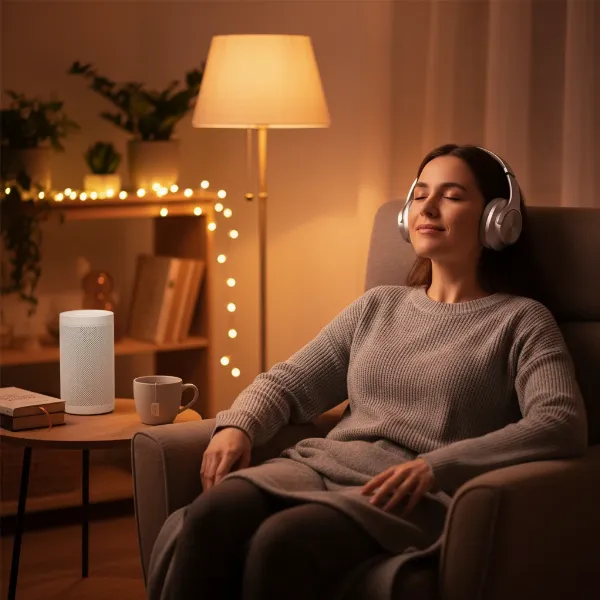
The smart speaker market is crowded, yet Apple’s HomePod 2nd Generation has carved out a unique space, particularly for those deeply integrated into the Apple ecosystem. But with a premium price tag, the burning question remains: does the HomePod 2 finally justify its cost, offering enough innovation and performance to stand out from a competitive field? Let’s dive into what this speaker brings to your home.
Popular Smart Speaker Types on the Market
The landscape of smart speakers is diverse, catering to various needs and preferences. Understanding the broader market helps contextualize where the Apple HomePod 2 stands.
Overview of Smart Speakers
A smart speaker is an internet-connected device that uses voice commands to perform tasks such as playing music, controlling smart home devices, answering questions, and more. They typically feature integrated virtual assistants like Amazon’s Alexa, Google Assistant, or Apple’s Siri, acting as a central hub for your digital life.
The evolution of smart speakers began with early pioneers like the Amazon Echo, which introduced voice-activated assistance to the masses. Google Home followed, expanding the reach of smart assistants, while Apple later entered the arena with the original HomePod, emphasizing high-fidelity audio. Over the years, these devices have become more sophisticated, integrating deeper into home ecosystems and offering advanced audio technologies. Prominent brands in this sector include Amazon, Google, Apple, Sonos, and Bose, each vying for a spot in your connected home.
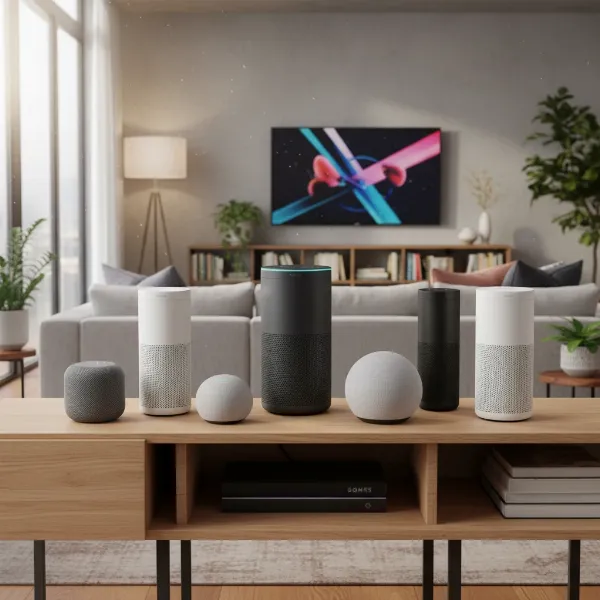 A collage of various smart speaker models from different brands like Amazon, Google, and Apple.
Classifying Smart Speakers by Features
Smart speakers offer a spectrum of capabilities, from basic voice assistance to comprehensive smart home control and premium audio experiences.
- Smart Speakers with Virtual Assistants: The most common type, these speakers integrate fully with a digital assistant (Google Assistant, Alexa, Siri). They enable hands-free control, information retrieval, and communication. The Apple HomePod 2, for example, is deeply integrated with Siri and the Apple ecosystem.
- Smart Speakers Without Virtual Assistants: Less common in the mainstream, these devices might focus purely on audio playback with network connectivity, often controlled via a companion app rather than voice.
- Multifunctional Smart Speakers: Many modern smart speakers, including the HomePod 2, act as versatile hubs. Beyond audio, they can control a wide array of smart home devices, automate routines, and even serve as intercom systems within a household.
Classifying Smart Speakers by Size and Design
Smart speakers come in various forms, tailored to different aesthetic preferences and room sizes, from discreet mini models to powerful, statement-making devices.
- Mini Smart Speakers: Compact and affordable, these are ideal for smaller rooms or for extending smart assistant capabilities throughout a home without a large footprint. The HomePod mini is Apple’s offering in this category.
- Mid-sized Smart Speakers: Offering a balance of audio quality and size, these speakers are suitable for most living spaces. Many popular models fall into this category, aiming for robust sound without dominating a room.
- Large Smart Speakers: Designed for premium audio performance, these speakers typically house larger drivers and more advanced acoustics. The Apple HomePod 2 fits this description, prioritizing sound quality.
- Uniquely Designed Smart Speakers: Beyond cylindrical or spherical shapes, some speakers feature distinctive designs that blend into specific decor or offer enhanced visual elements, such as displays or integrated lighting.
Guide to Choosing a Smart Speaker
Selecting the perfect smart speaker requires considering your personal needs, budget, and how it will integrate with your existing technology.
Identifying Your Usage Needs
Before investing, consider what you primarily want your smart speaker to do. Do you crave an immersive music experience, seamless smart home control, or a bit of both?
Begin by clarifying your primary goals. If high-fidelity music is paramount, a speaker like the HomePod 2, known for its exceptional audio, might be ideal. For extensive smart home integration, compatibility with a wide range of devices (e.g., Matter support) is crucial. Your budget will also significantly influence your choice, as prices vary widely from entry-level to premium.
Comparing Brands and Models
The market offers numerous choices, each with unique strengths. Researching different options is key to finding the right fit.
Familiarize yourself with reputable brands such as Apple, Sonos, Amazon, and Google. Reading comprehensive reviews and product comparisons can highlight the pros and cons of specific models. Pay close attention to technical specifications and features that align with your priorities, like audio codecs, connectivity options, and smart assistant capabilities.
Essential Factors When Buying a Smart Speaker
Several critical elements should guide your decision-making process to ensure satisfaction with your purchase.
- Sound Quality: This is often a top priority. Look for details on bass depth, vocal clarity, and spatial audio capabilities, especially if you plan to use it for music and movies. The HomePod 2 offers impressive audio, with clear mids and highs, and a notably powerful, yet controlled, bass.
- Connectivity: Ensure the speaker supports the wireless standards you use (Wi-Fi, Bluetooth, AirPlay 2, Thread, Matter). The HomePod 2 relies heavily on AirPlay 2 and Thread for its ecosystem integration.
- Smart Features: Evaluate the virtual assistant’s capabilities (Siri, Alexa, Google Assistant). Consider smart home platform compatibility (HomeKit, Alexa, Google Home), and unique features like temperature/humidity sensors or sound recognition. Siri on the HomePod 2 is excellent at voice recognition but still has some limitations compared to rivals.
- Design and Durability: Aesthetics matter, as the speaker will be a part of your home decor. Also, consider build quality and any known issues like the original HomePod’s tendency to leave rings on furniture (though the HomePod 2 has addressed this with a plastic base).
- Price: Smart speakers range from under $100 to several hundred dollars. Determine your budget and assess if the features and performance justify the cost for your needs.
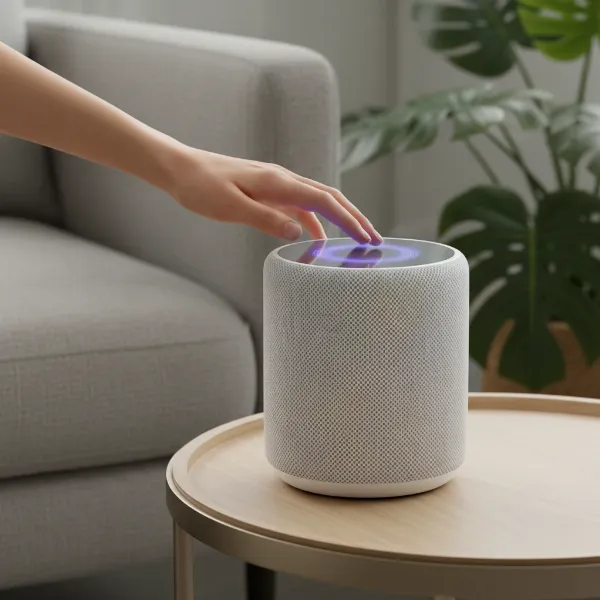 A person interacting with an Apple HomePod 2 in a modern living room setting.
Comparison Table: Top Smart Speakers
| Model | Pros | Cons | Price (Approx.) |
|---|---|---|---|
| Apple HomePod 2 | Exceptional sound quality, deep Apple ecosystem integration, Spatial Audio, Dolby Atmos, room sensing, Matter support, detachable power cord, temperature/humidity sensors. | Siri’s limitations, high price, no native Spotify/Tidal voice control, best for Apple users only. | $299 |
| Sonos One | Great sound, works with Alexa and Google Assistant, multi-room audio, compact design. | No Spatial Audio, requires separate setup for each assistant, less potent bass than HomePod 2. | $219 |
| Sonos Era 100 | Improved sound over Sonos One, wider soundstage, stereo pairing. | Still pricey, lacks spatial audio of Era 300, limited voice assistant options. | $249 |
| Sonos Era 300 | Class-leading spatial audio, rich sound, multi-room, Amazon Music/Apple Music support. | Very expensive, larger size, not a full soundbar replacement. | $449 |
| Amazon Echo Studio | Immersive sound, Dolby Atmos, built-in Zigbee hub, affordable. | Sound quality not as refined as HomePod 2 or Sonos, Alexa can be intrusive. | $199 |
Tips for Using and Maintaining Your Smart Speaker
Proper care and optimal placement can significantly enhance your smart speaker’s performance and longevity.
- Optimal Placement: Position your HomePod 2 away from walls or corners if possible to allow its 360-degree audio and room-sensing capabilities to function effectively. While it automatically adjusts to its environment, central placement often yields the best results.
- Regular Cleaning: Gently wipe the fabric mesh with a soft, dry cloth to prevent dust buildup. For the top touch panel, use a microfiber cloth to keep it clean and responsive.
- Software Updates: Always keep your HomePod 2’s software updated through the Home app. Apple frequently releases updates that improve performance, add new features, and enhance security.
- Best Practices for Longevity: Avoid exposing your speaker to extreme temperatures or direct sunlight. If placing it on wood furniture, consider a coaster, as some users have reported minor markings from the plastic base, despite design improvements.
Frequently Asked Questions
Is the Apple HomePod 2 a significant upgrade over the original HomePod?
The HomePod 2 offers notable improvements, including a more balanced sound profile with deeper, more controlled bass, improved Dolby Atmos support, and new smart home sensors for temperature and humidity. While the design is similar, internal enhancements and a detachable power cable make it a more refined and capable device than its predecessor.
Can I use the Apple HomePod 2 with Spotify or other non-Apple music services?
While you can stream music from Spotify, Tidal, or Amazon Music to the HomePod 2 via AirPlay from your Apple device, Siri currently does not support direct voice control for these third-party services. This means you won’t be able to ask Siri to play specific tracks from Spotify, limiting the hands-free experience for non-Apple Music subscribers.
Does the HomePod 2 support multi-room audio?
Yes, the HomePod 2 fully supports multi-room audio through AirPlay 2, allowing you to play the same music across multiple HomePod and HomePod mini speakers throughout your home, or play different music in different rooms. It also integrates with other AirPlay 2-compatible speakers for a unified audio experience.
How does the HomePod 2 integrate with Apple TV 4K for home theater?
The HomePod 2 can be seamlessly paired with an Apple TV 4K to create an immersive home theater audio system, supporting Dolby Atmos. When two HomePod 2 units are used as a stereo pair with an Apple TV 4K (2nd gen or later), they can provide a compelling cinematic experience, including enhanced dialogue.
Is Siri on the HomePod 2 as capable as Alexa or Google Assistant?
Siri on the HomePod 2 is excellent at understanding voice commands and integrating with Apple services and HomeKit devices. However, many reviews indicate that Siri still lags behind Alexa and Google Assistant in terms of general knowledge, answering complex queries, and controlling a broader range of third-party smart home devices.
Conclusion
The Apple HomePod 2, priced at $299, makes a compelling case for Apple users seeking a premium Smart Speaker experience. It delivers truly exceptional, room-filling sound with precise clarity and robust bass, enhanced by Spatial Audio and seamless integration with Apple Music and Apple TV 4K. While its smart assistant, Siri, still has areas for improvement compared to rivals, the HomePod 2 excels as a hub for your HomeKit smart home, now bolstered by Matter support and useful temperature and humidity sensors.
Ultimately, the HomePod 2 is a stellar audio device that shines brightest within Apple’s ecosystem. If you are deeply invested in Apple products and prioritize pristine sound quality and integrated home entertainment, then the HomePod 2 is indeed worth the investment. However, if cross-platform compatibility or a more versatile smart assistant is your priority, alternatives might offer a better fit. Are you ready to dive deeper into Apple’s immersive soundscape?