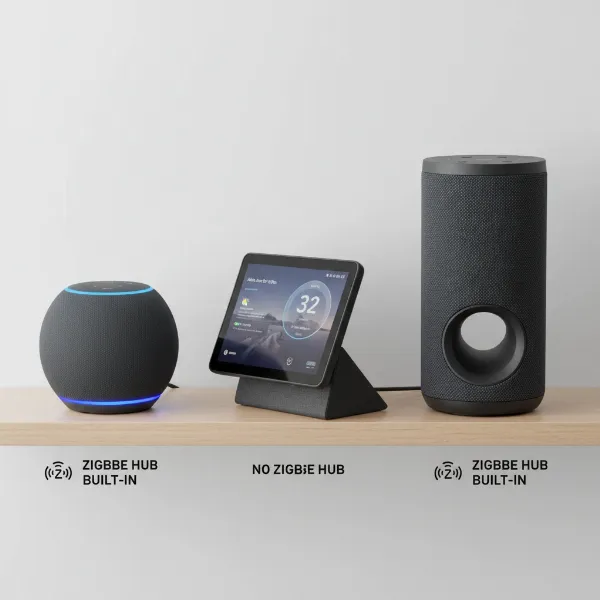
Voice assistants have evolved dramatically since the early days of simple commands, transforming from rudimentary digital helpers into integral parts of our daily lives. From managing smart home devices to answering complex queries, these intelligent companions are constantly learning and adapting. Yet, the horizon of this technology is poised for an even more profound transformation with the integration of Generative AI, promising an era of unprecedented conversational fluency, personalization, and capability. This deep dive explores how Generative AI is not just refining, but redefining, the very essence of voice assistance, paving the way for a future where our interactions with technology are virtually indistinguishable from human conversation.
The Evolution of Voice Assistants: From Commands to Conversation
Voice assistants, often housed within smart speakers or integrated into smartphones, are software applications that utilize artificial intelligence to respond to voice commands. Early iterations, such as Amazon Echo with Alexa, Google Home with Google Assistant, and Apple’s Siri, primarily functioned on a command-and-control model. Users issued specific instructions like “Set a timer for 10 minutes” or “Play pop music,” and the assistant would execute these tasks.
The initial development of these assistants focused on improving speech recognition and natural language processing (NLP) to understand a wider range of accents and phrases. Over time, they gained the ability to handle slightly more complex, multi-turn dialogues, remembering context from previous interactions within a single session. This shift marked a significant step towards more natural human-computer interaction, laying the groundwork for the advanced capabilities now emerging with Generative AI. Leading brands continually push the boundaries, embedding voice technology into various devices, from smart speakers and mobile phones to cars and home appliances.
 Visual representation of voice assistant evolution from simple commands to advanced AI conversations.
Generative AI: The Game-Changer for Voice Technology
Generative AI, powered by Large Language Models (LLMs), represents a paradigm shift for voice assistants. Unlike traditional AI, which relies heavily on pre-programmed responses or rule-based systems, Generative AI can understand, process, and create novel content, including human-like text and speech. This capability fundamentally changes how voice assistants operate, moving them beyond mere information retrieval to intelligent generation.
With Generative AI, voice assistants are transcending the “featured snippet” model, where they pull a single, often short answer from a source. Instead, they can synthesize information from multiple sources, summarize complex topics, and deliver nuanced, conversational responses that are both accurate and contextually rich. This means an assistant can engage in genuinely open-ended dialogue, ask clarifying questions, and offer creative suggestions, fostering a far more intuitive and less transactional user experience. The potential for assistants to interpret imperfect input and generate fluent responses in dozens of languages further underscores this transformative power.
 Generative AI powered by LLMs transforming voice assistants into intelligent, conversational partners.
Transformative Features and Capabilities with Generative AI
The integration of Generative AI unlocks a new realm of possibilities for voice assistants, pushing the boundaries of what these digital companions can achieve. These advancements promise to make interactions more intelligent, personalized, and seamlessly integrated into our daily lives.
Hyper-Personalization
|
Our Picks for the Best Smart Speaker in 2026
As an Amazon Associate I earn from qualifying purchases.
|
||
| Num | Product | Action |
|---|---|---|
| 1 | Sonos Era 100 - White - Wireless, Alexa Enabled Smart Speaker |

|
| 2 | aowoka Bluetooth Speaker, 2025 Portable Wireless Speakers with Led Light, Bluetooth 5.4, 24H Playtime, Enhanced Bass, IPX7 Waterproof, Outdoor Speaker for Travel, Sport, Party, Biking. |
|
| 3 | Belkin SOUNDFORM Elite Hi-Fi Smart Speaker + Wireless Charger (Alexa Voice-Controlled Bluetooth Speaker) Sound Technology By Devialet, Fast Wireless Charging for iPhone, Samsung Galaxy & More - White |
|
| 4 | Portable Bluetooth Speaker Valentines Gifts For Him: Powerful Crystal Clear Sound/Romantic Light/IPX5 Waterproof/All Day Playtime/BT 5.3/TWS Paring,Small Wireless Speaker for Outdoor-Travel-Date Night |
|
| 5 | Google Audio Bluetooth Speaker - Wireless Music Streaming, Powerful Sound, Assistant Built-in, Wi-Fi and Bluetooth Connectivity, Smart Home Control, Stereo Pairing - Chalk |
|
| 6 | WiiM Sound Lite Smart Speaker, Hi‑Res 24‑bit/192 kHz, AI RoomFit™ Room Correction, 100W Peak, Wi‑Fi 6E/Bluetooth 5.3, Multi‑Room & Stereo Pairing, Black |
|
| 7 | Bluetooth Speaker with HD Sound and Lights, Portable Wireless, Long-lasting battery life, TWS Pairing, for Home/Party/Outdoor/Travel/Beach, Stocking Stuffers, White Elephant Gifts for Adults (Black) |
|
| 8 | Bluetooth Speaker with HD Sound, Portable Wireless, IPX5 Waterproof, Up to 20H Playtime, TWS Pairing, BT5.3, for Home/Party/Outdoor/Beach, Electronic Gadgets, Birthday Gift (Black) |
|
| 9 | Mini Bluetooth Speaker, Smart Wireless Portable Speaker with Touchscreen, Loud HD Sound, LED Lights, BT5.4, All In One Small Audio for Home/Outdoor/Travel/Shower/Party/Beach/Camping/Hiking/Cycling |
|
| 10 | Sony SRS-XB100 Wireless Bluetooth Portable Lightweight Super-Compact Travel Speaker, Durable IP67 Waterproof & Dustproof Shower Speaker, 16 Hour Battery, Versatile Strap, & Hands-free Calling, Black |
|
Generative AI allows voice assistants to move beyond basic customization. They can learn from a user’s historical interactions, preferences, and even emotional tone to adapt their replies and offer truly tailored experiences. Imagine an assistant that suggests music based not just on your listening history, but on your current mood, or provides travel recommendations that align perfectly with your past itineraries and stated preferences. This contextual intelligence means the assistant doesn’t just respond; it understands.
Advanced Conversational Flow
The days of rigid, command-based interactions are giving way to dynamic, multi-turn dialogues. Generative AI enables voice assistants to maintain context across extended conversations, ask follow-up questions, and handle complex queries that involve multiple steps or overlapping topics. This creates a more natural and fluid interaction, mimicking human conversation more closely and reducing user frustration. Voice search queries are already 3.5 times longer than typed queries, with 70% of interactions involving natural language, highlighting this shift.
 Voice assistant demonstrating hyper-personalization and fluid, multi-turn conversational capabilities.
Complex Task Completion
With Generative AI, voice assistants can orchestrate and complete intricate tasks that were previously out of reach. This includes making multi-city travel reservations, devising detailed meal plans, or even managing home improvement projects with multiple stages. By understanding the full scope of a request and breaking it down into manageable steps, the assistant can proactively gather necessary information and execute actions across various integrated platforms.
Multilingual and Cross-Cultural Communication
A significant leap forward is the ability of Generative AI to comprehend and generate fluent responses in numerous languages and dialects. While real-time oral translation still presents challenges, the ability for conversational AI to interpret imperfect text and generate culturally appropriate responses significantly expands global accessibility and utility. This means users can interact in their native tongue or switch languages effortlessly, fostering inclusivity.
Creative Content Generation
Beyond utilitarian tasks, Generative AI empowers voice assistants to be creative co-creators. They can generate original content such as articles, poetry, or music compositions based on user input or predefined parameters. While human creativity remains distinct, AI-generated content can serve as inspiration, help overcome creative blocks, or assist creators in exploring new artistic avenues.
 AI voice assistant performing complex multi-step tasks and generating creative content like poetry or music.
Proactive and Predictive Assistance
The future of voice assistants is not just reactive but proactive. Leveraging Generative AI, assistants can analyze patterns and anticipate user needs before being explicitly asked. This might involve reminding you of upcoming appointments, suggesting optimized routes based on real-time traffic, or even flagging potential issues with smart home devices. This predictive capability transforms the assistant from a tool into a truly helpful, forward-thinking partner.
Benefits of Generative AI Integration for Users and Businesses
The integration of Generative AI into voice assistants brings a wealth of advantages, transforming interactions for individual users and offering significant strategic benefits for businesses across various sectors.
For users, the most immediate benefit is an enhanced user experience. Interactions become more natural, intuitive, and efficient, moving beyond simple commands to rich, conversational exchanges. Imagine an assistant that not only understands your spoken words but also your implied intent, providing highly relevant and personalized assistance. This fosters a deeper, more satisfying engagement with technology, making daily tasks smoother and more enjoyable.
 Illustrating the benefits of Generative AI in voice assistants for users and businesses.
Businesses stand to gain substantially from this evolution. Increased productivity and operational efficiency are key advantages. AI voice assistants can manage routine tasks like scheduling appointments, answering frequently asked questions, and handling initial customer inquiries, freeing human employees to focus on more complex, strategic work. This leads to streamlined operations and better resource allocation.
Furthermore, Generative AI-powered assistants contribute to significant cost savings by reducing the need for extensive human support in repetitive roles. Their 24/7 availability ensures continuous support, enhancing customer satisfaction without requiring round-the-clock human staffing. This not only optimizes labor costs but also improves service consistency.
Perhaps most exciting are the new business opportunities that emerge. In voice commerce, Generative AI can provide highly personalized product recommendations and facilitate seamless purchasing experiences, driving new revenue streams. In customer service, AI assistants can offer advanced, human-like conversational support, resolving issues faster and more effectively, and even providing full context to human agents for complex cases. This creates a more responsive and intelligent customer engagement model, fostering loyalty and driving growth.
Challenges and Considerations for the Road Ahead
Despite the immense promise of Generative AI in voice assistants, several significant challenges and ethical considerations must be addressed to ensure responsible and effective integration. Navigating these hurdles will be crucial for the widespread adoption and long-term success of this transformative technology.
One of the foremost concerns revolves around privacy and data security. Generative AI models thrive on vast amounts of data, including user interactions, preferences, and potentially sensitive personal information. The collection, storage, and use of this data raise questions about privacy, with concerns affecting a substantial portion of users. Ensuring robust data protection measures and transparent data handling policies will be paramount to building user trust.
Another critical challenge is maintaining accuracy and mitigating hallucinations. Generative AI, by its nature, can sometimes generate plausible-sounding but incorrect or fabricated information, known as hallucinations. In a voice assistant, such inaccuracies could lead to misinformation, unreliable advice, or frustrating user experiences. Developing mechanisms to verify information and minimize factual errors is an ongoing area of research.
 Challenges of Generative AI in voice assistants, focusing on privacy, data security, and accuracy issues.
The ethical implications and bias within Generative AI models are also a serious concern. If the training data contains societal biases, the AI can perpetuate and even amplify them in its responses. This could manifest in unfair recommendations, discriminatory language, or inappropriate suggestions. Ensuring diverse, unbiased training data and implementing ethical AI development guidelines are essential to prevent such outcomes.
From a purely technical standpoint, technological hurdles persist. While Generative AI improves natural language understanding, on-the-fly, perfect oral translation remains a complex challenge due to the intricacies of speech recognition combined with machine translation. Furthermore, the computational resources required to run advanced Generative AI models can be substantial, impacting latency and deployment costs, particularly for edge computing devices.
Ultimately, user trust and adoption depend on how effectively these challenges are addressed. If users perceive voice assistants as unreliable, invasive, or biased, widespread acceptance could be hindered. Building intuitive, secure, and ethical AI experiences will be key to fostering confidence and encouraging broad integration into daily life.
Market Outlook: The Growing Landscape of AI Voice
The market for voice assistants is experiencing robust growth, propelled by continuous advancements in AI and increasing consumer adoption across various smart devices. The global voice assistant market, valued at approximately USD 3.83 billion in 2023, is projected for substantial expansion, reaching an estimated USD 54.83 billion by 2033, demonstrating a remarkable Compound Annual Growth Rate (CAGR) of 30.49% from 2023 to 2033. This exponential growth underscores the transformative impact of AI on the voice technology sector.
Key drivers behind this market surge include the pervasive integration of smart devices into homes and daily routines, which drives adoption, and a growing consumer demand for convenient, hands-free interactions. Users are increasingly turning to voice assistants for daily information and service needs, with 60% of smartphone users regularly utilizing them in 2024, a significant increase from 45% in 2023. Furthermore, the voice commerce segment alone is anticipated to exceed $40 billion by 2025, highlighting a clear shift in consumer behavior towards efficiency and convenience.
Geographically, North America currently leads the market in terms of size and innovation, establishing itself as a key influencer in the trajectory of global voice assistant development. However, the Asia-Pacific (APAC) region is rapidly gaining traction and is expected to witness significant growth due to the development of AI-powered intelligent virtual assistants and the emergence of AI and Machine Learning technologies. Europe is also poised for rapid expansion, projected to grow the fastest during the forecast period.
 Global market growth and regional trends for AI-powered voice assistants.
Looking ahead, the market is characterized by several emerging trends. Multilingual support continues to be a critical area of development, with adoption reaching 40% and a 30% demand for AI personalization. The future will also see greater emphasis on multimodal experiences, combining voice with visual and gestural inputs, and the evolution of predictive AI that anticipates user needs rather than merely reacting to commands. These trends suggest a future where voice assistants are not just smart, but truly intelligent and seamlessly integrated into every facet of our digital lives.
| Aspect of Integration | Traditional Voice Assistants | Generative AI-Powered Voice Assistants |
|---|---|---|
| Interaction Style | Command-based, rigid | Conversational, multi-turn dialogue |
| Response Type | Pre-scripted, featured snippets | Synthesized, contextually rich |
| Personalization | Basic, rule-based | Deep, adaptive to mood & history |
| Task Complexity | Simple, single-step | Complex, multi-step, proactive |
| Language Support | Limited | Extensive, nuanced understanding |
Tips for Navigating the Evolving Voice Landscape
As voice assistants become increasingly sophisticated with Generative AI, both consumers and businesses can adopt strategies to maximize their benefits and navigate potential complexities.
For consumers, it’s important to embrace natural language in your interactions. The more conversational you are, the better Generative AI-powered assistants can understand your intent and provide relevant responses. Experiment with asking open-ended questions and engaging in multi-turn dialogues to experience their full capabilities. Additionally, always prioritize data privacy. Be mindful of the permissions you grant your voice assistant and review privacy settings regularly. Stay updated with new features and software updates, as these often bring enhancements in both functionality and security.
For businesses, adapting to this evolving landscape is crucial for maintaining competitive edge. Optimize for conversational SEO by focusing on natural language patterns, long-tail keywords, and directly answering common questions your customers might ask their voice assistants. Ensure your content is structured and easily digestible by AI models. Consider how Generative AI can enhance your customer service, improve internal efficiencies, and create new engagement opportunities.
“The integration of Generative AI transforms voice assistants from reactive tools into proactive, intuitive partners. Businesses that anticipate this shift and optimize for truly conversational experiences will lead the next wave of digital interaction.”
Conclusion
The integration of Generative AI is not merely an incremental upgrade for voice assistants; it is a fundamental transformation, ushering in an era of unparalleled conversational intelligence, personalization, and capability. From understanding nuanced queries and maintaining complex dialogues to completing multi-step tasks and even generating creative content, these next-generation voice assistants promise to revolutionize how we interact with technology. While challenges around privacy, accuracy, and ethics must be carefully navigated, the future points to a landscape where voice assistants are seamlessly woven into the fabric of our digital lives, offering hyper-personalized, proactive, and efficient assistance. The market is poised for explosive growth, driven by consumer demand for convenience and ongoing technological advancements. Are you ready for a world where your voice assistant is not just a command-taker, but a truly intelligent and intuitive companion?
Frequently Asked Questions
How will Generative AI make voice assistants more “human-like”?
Generative AI allows voice assistants to understand context, maintain multi-turn dialogues, and generate more natural, fluent, and emotionally intelligent responses, making interactions feel less like talking to a machine and more like conversing with a human. They can synthesize information and even create original content, mirroring human communication patterns.
What are the main benefits of Generative AI integration for smart speakers?
The main benefits include hyper-personalization, advanced conversational flows, the ability to complete complex multi-step tasks, enhanced multilingual support, and even creative content generation, making Smart Speakers far more versatile and intelligent tools.
What privacy concerns arise with Generative AI in voice assistants?
Generative AI relies on vast amounts of data, including personal interactions, which raises concerns about how this data is collected, stored, and used. Users worry about data security, potential misuse, and the transparency of privacy policies, making robust safeguards crucial for trust.
Can Generative AI-powered voice assistants create content?
Yes, Generative AI enables voice assistants to create various forms of content, such as articles, poetry, or even music compositions, based on user prompts or predefined parameters. This capability positions them as potential tools for creative inspiration and assistance.
How will businesses leverage Generative AI in voice technology?
Businesses will leverage Generative AI in voice technology to enhance customer service with more intelligent and personalized support, improve operational efficiency by automating complex tasks, drive voice commerce through tailored recommendations, and gather deeper insights from conversational data.