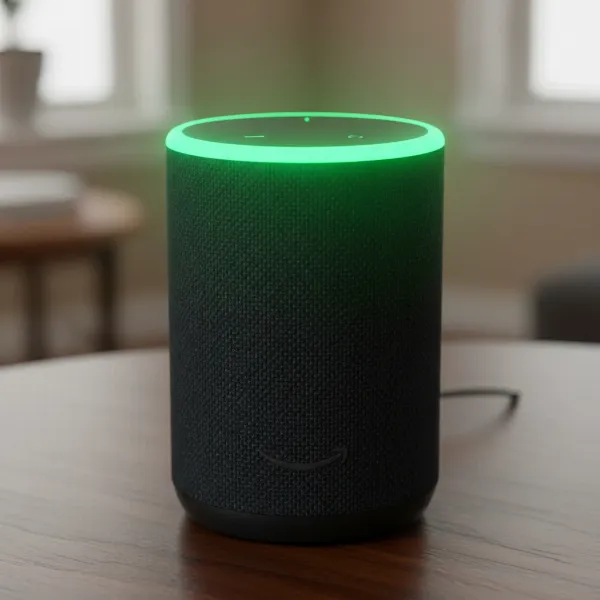
Welcoming guests into your home often means sharing more than just space—it can also involve your smart home devices. For Google Nest speaker owners, maintaining privacy while offering convenience to visitors is a common concern. Guest Mode on your Google Nest speakers is designed precisely for this, allowing friends and family to interact with your device without accessing your personal information or cluttering your activity history. If you’ve ever wondered how to provide a seamless smart speaker experience for your guests while keeping your digital life private, you’ve come to the right place. This guide will walk you through everything you need to know about activating, deactivating, and optimizing Guest Mode on your Google Nest speakers, ensuring peace of mind for both you and your visitors.
Understanding Guest Mode on Google Nest Speakers
Google Nest speakers are more than just sound systems; they are intelligent assistants woven into the fabric of your smart home. Naturally, when guests are over, you want them to enjoy the conveniences these devices offer without compromising your personal space. This is where Guest Mode steps in, providing a crucial layer of privacy.
What is Google Nest Guest Mode?
|
Our Picks for the Best Smart Speaker in 2026
As an Amazon Associate I earn from qualifying purchases.
|
||
| Num | Product | Action |
|---|---|---|
| 1 | aowoka Bluetooth Speaker, 2025 Portable Wireless Speakers with Led Light, Bluetooth 5.4, 24H Playtime, Enhanced Bass, IPX7 Waterproof, Outdoor Speaker for Travel, Sport, Party, Biking. |

|
| 2 | Bluetooth Speaker with HD Sound, Portable Wireless, IPX5 Waterproof, Up to 20H Playtime, TWS Pairing, BT5.3, for Home/Party/Outdoor/Beach, Electronic Gadgets, Birthday Gift (Black) |
|
| 3 | Sony SRS-XB100 Wireless Bluetooth Portable Lightweight Super-Compact Travel Speaker, Durable IP67 Waterproof & Dustproof Shower Speaker, 16 Hour Battery, Versatile Strap, & Hands-free Calling, Black |
|
| 4 | Sonos Era 100 - White - Wireless, Alexa Enabled Smart Speaker |
|
| 5 | WiiM Sound Lite Smart Speaker, Hi‑Res 24‑bit/192 kHz, AI RoomFit™ Room Correction, 100W Peak, Wi‑Fi 6E/Bluetooth 5.3, Multi‑Room & Stereo Pairing, Black |
|
| 6 | Google Audio Bluetooth Speaker - Wireless Music Streaming, Powerful Sound, Assistant Built-in, Wi-Fi and Bluetooth Connectivity, Smart Home Control, Stereo Pairing - Chalk |
|
| 7 | Belkin SOUNDFORM Elite Hi-Fi Smart Speaker + Wireless Charger (Alexa Voice-Controlled Bluetooth Speaker) Sound Technology By Devialet, Fast Wireless Charging for iPhone, Samsung Galaxy & More - White |
|
| 8 | Portable Bluetooth Speaker Valentines Gifts For Him: Powerful Crystal Clear Sound/Romantic Light/IPX5 Waterproof/All Day Playtime/BT 5.3/TWS Paring,Small Wireless Speaker for Outdoor-Travel-Date Night |
|
| 9 | Mini Bluetooth Speaker, Smart Wireless Portable Speaker with Touchscreen, Loud HD Sound, LED Lights, BT5.4, All In One Small Audio for Home/Outdoor/Travel/Shower/Party/Beach/Camping/Hiking/Cycling |
|
| 10 | Bluetooth Speaker with HD Sound and Lights, Portable Wireless, Long-lasting battery life, TWS Pairing, for Home/Party/Outdoor/Travel/Beach, Stocking Stuffers, White Elephant Gifts for Adults (Black) |
|
At its core, Google Nest Guest Mode is a privacy feature that temporarily restricts access to your personal information when others use your smart speaker. When active, your Google Nest speaker or display will not show or say personal results, such as calendar entries, contacts, or commute information tied to your Google Account. It also ensures that the interactions guests have with the Google Assistant are not saved to your personal activity history. It’s designed to be a quick and easy way to make your smart speaker guest-friendly.
Why Use Guest Mode?
The primary reason to use Guest Mode is enhanced privacy. Imagine planning a surprise birthday party; you wouldn’t want a guest accidentally asking your Nest speaker about your calendar and revealing the secret. Guest Mode prevents such mishaps by disabling access to sensitive data. Additionally, it keeps your Google Account activity clean, ensuring that random searches or song requests from guests don’t skew your personalized recommendations or fill up your “My Activity” page. It creates a seamless, worry-free experience for visitors, allowing them to enjoy music, ask general questions, and even control smart home devices without any complex setup or privacy concerns for you.
What Can Guests Do (and Not Do) in Guest Mode?
In Guest Mode, your visitors can still leverage the core functionalities of your Google Nest speaker. They can:
- Ask general questions (e.g., “What’s the weather like?”).
- Play music from supported streaming services.
- Set timers and alarms.
- Control connected smart home devices (e.g., “Turn off the living room lights”).
- Get news updates.
However, they cannot access:
- Personal calendar entries.
- Your contacts.
- Your personal search history.
- Any other information tied specifically to your Google Account.
- Any purchases or personal transactions.
It’s important to remember that while Guest Mode protects your Google Account data, interactions with third-party apps and services (like Spotify or YouTube) might still be saved by those specific applications.
How to Activate and Deactivate Guest Mode
Activating Guest Mode on your Google Nest speaker is remarkably simple, designed for instant privacy whenever you need it. The most common and convenient method is through a direct voice command.
Simple Voice Commands
To turn Guest Mode on, simply stand near your Google Nest speaker and say:
“Hey Google, turn on Guest Mode.”
Your speaker will respond with an audible chime and confirmation that Guest Mode is active. If you are using a Google Nest display, you will also see a small guest icon appear on the screen, visually indicating that the mode is engaged.
When your guests have departed or you no longer need the privacy protections, turning Guest Mode off is just as easy:
“Hey Google, turn off Guest Mode.”
The speaker will again confirm the change with a chime, returning to its full, personalized functionality, and the guest icon will disappear from any displays.
Checking Guest Mode Status
Unsure if Guest Mode is currently active? You can quickly check its status with another simple voice command:
“Hey Google, is Guest Mode on?”
Your Google Nest speaker will immediately inform you whether Guest Mode is currently enabled or disabled, removing any guesswork.
Visual and Auditory Confirmations
Beyond the verbal confirmations, Google Nest devices provide clear indicators. On smart displays like the Nest Hub, a distinct “guest” icon appears prominently at the top right of the screen. For speakers without a display, a unique chime serves as the audio cue, letting you know the mode has successfully switched. These confirmations ensure that you’re always aware of your device’s privacy state.
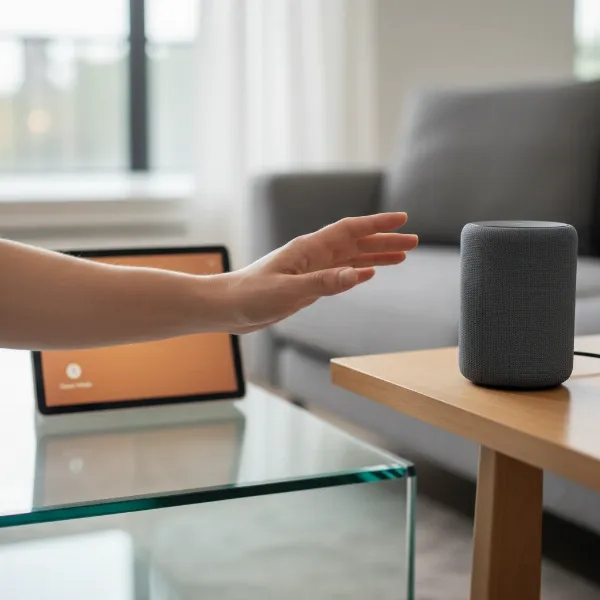 A person activating Guest Mode on a Google Nest Speaker with a voice command, showing privacy icon on a smart display.
Advanced Guest Connectivity: Using the Google Home App
While the voice-activated Guest Mode focuses on privacy for your personal results, there’s another “guest mode” functionality, particularly useful for devices like the Google Nest Mini and other speakers, that allows visitors to connect directly to your speaker without needing your Wi-Fi password. This is ideal for streaming music from their own devices.
When to Use This Mode
This specific “Guest Mode” is perfect for situations where you want guests to easily stream music or audio from their smartphone or tablet directly to your Google Nest speaker, but you’re not comfortable sharing your main Wi-Fi password. It provides a secure way for them to connect without granting them full network access.
Step-by-Step Activation via Google Home App
To enable this app-based guest connection mode:
- Ensure your Google Nest speaker is powered on and connected to your Wi-Fi network.
- Open the Google Home app on your smartphone or tablet.
- Select the Google Nest speaker you wish to enable Guest Mode for. You may need to navigate to the specific room where the device is located.
- Tap on the device’s name to open its settings.
- Look for and select “Device settings” or a similar option in the list.
- Scroll down and find “Guest mode”. Toggle this option to on.
- You may be prompted to provide additional permissions or confirm your preferences.
Once activated, your Google Home app will display a unique Guest Mode PIN.
How Guests Connect Using the PIN
With this mode enabled, guests can connect to your Google Nest speaker directly:
- Guests open a supported audio app (like Spotify or YouTube Music) on their phone or tablet.
- They tap the Cast icon (usually a small TV screen with Wi-Fi signal).
- They select your Google Nest speaker from the list of available devices.
- When prompted, they will enter the Guest Mode PIN that is displayed in your Google Home app.
- Once the PIN is entered, they can cast audio directly to your speaker. This connection typically uses Bluetooth and/or a localized Wi-Fi Direct connection, bypassing your main home network.
Maximizing Privacy: Tips for Using Guest Mode Effectively
While Guest Mode offers a convenient layer of privacy, understanding its nuances and combining it with other best practices can significantly enhance your control over your Google Nest speaker experience.
Understanding Limitations
It’s crucial to acknowledge that Guest Mode is a convenience feature, not a complete security lockdown. As noted earlier, guests can turn off Guest Mode using a simple voice command if they are aware of it. This means it relies on a certain level of trust and mutual understanding. Additionally, any interactions guests have with third-party apps or services through your speaker (e.g., asking Spotify to play a song) might still be recorded by those specific services, not by your Google Account. Therefore, for truly sensitive information, it’s always best to convey it privately rather than relying solely on Guest Mode.
Combining with Other Privacy Settings
For an even stronger privacy posture, consider integrating Guest Mode with other settings available in the Google Home app:
- Turn off Personal Results globally: You can disable personal results for individual devices or across all your Google Assistant-enabled devices. This means the Assistant will never speak or show information like your calendar, even when Guest Mode isn’t active. While more restrictive, it offers maximum privacy. You can find this setting within the Google Home app under the device settings.
- Voice Match: Ensure that only recognized voices (family members) have access to personal results. While Guest Mode bypasses Voice Match for general commands, it’s a good baseline privacy measure for regular use.
- Review and delete activity: Regularly check your Google Account activity at
myactivity.google.comand delete any unwanted voice recordings or interactions. This is a general good practice for managing your digital footprint.
Educating Your Guests
A little communication goes a long way. Briefly explaining to your guests what Guest Mode does and what they can (and cannot) expect can prevent misunderstandings. Let them know they can ask the speaker for music or general information, but personal inquiries or attempts to access your private data will be blocked. This transparency fosters a respectful shared environment and helps manage expectations.
> “Guest Mode is a smart way to share, but remember, the best privacy tool is always clear communication with your visitors.” – Alex Chen, Smart Home Security Expert
Troubleshooting Common Guest Mode Issues
Even with its straightforward design, you might occasionally encounter minor hitches when setting up or using Guest Mode. Here are some common issues and how to resolve them.
Guest Mode Not Activating
If your Google Nest speaker doesn’t respond to “Hey Google, turn on Guest Mode” or fails to enter the mode:
- Check internet connection: Ensure your speaker is properly connected to Wi-Fi and has a stable internet connection.
- Update Google Home app: Make sure your Google Home app on your smartphone or tablet is updated to the latest version. Outdated apps can sometimes cause functionality issues.
- Restart devices: Try restarting your Google Nest speaker by unplugging it for 30 seconds and plugging it back in. Also, close and reopen your Google Home app.
- Voice Recognition: Ensure you are speaking clearly and at an appropriate distance from the speaker. Sometimes ambient noise can interfere with voice commands.
Guests Unable to Connect (for PIN-based mode)
If guests are having trouble connecting using the app-based PIN method:
- Bluetooth range: Confirm that your guest’s device is within Bluetooth range of the Google Nest speaker.
- Bluetooth enabled: Ensure Bluetooth is enabled on your guest’s smartphone or tablet.
- Correct PIN: Double-check that your guest is entering the correct PIN displayed in your Google Home app. The PIN can change, so verify it’s current.
- Speaker firmware: Make sure your Google Nest speaker’s firmware is up to date. The Google Home app usually handles this automatically, but a restart can sometimes trigger an update.
- App version: Both your Google Home app and your guest’s streaming app should be updated to their latest versions.
Conclusion
Guest Mode on your Google Nest speakers offers a brilliant solution for balancing hospitality with personal privacy. Whether you’re preventing accidental revelations of your calendar or simply keeping guest interactions out of your activity feed, this feature provides control and peace of mind. By utilizing simple voice commands, understanding its capabilities and limitations, and even leveraging the app-based connectivity for music streaming, you can create a welcoming and secure smart home environment. Guest Mode is an essential tool for any Google Nest owner, making sharing your Smart Speaker experience both effortless and secure.
Are you ready to enable Guest Mode and enjoy a more private and guest-friendly smart home?
Frequently Asked Questions
How do I know if Guest Mode is on?
You can ask your Google Nest speaker, “Hey Google, is Guest Mode on?” The device will respond with its current status. If you have a Google Nest display, a small guest icon will also appear on the screen when the mode is active.
Can guests turn off Guest Mode?
Yes, anyone interacting with the Google Nest speaker can turn off Guest Mode by saying, “Hey Google, turn off Guest Mode.” This means it’s a convenience feature, not a stringent security measure against intentional actions.
Does Guest Mode prevent guests from controlling smart home devices?
No, in Guest Mode, guests can still use voice commands to control connected smart home devices like lights, thermostats, or smart plugs, as long as those controls are general commands and not tied to personal results.
Is Guest Mode the same as a Guest Wi-Fi network?
No, these are distinct features. Guest Mode on Google Nest speakers specifically manages privacy regarding personal results and account activity. A Guest Wi-Fi network, typically set up on your router (like Google Nest Wifi), provides internet access to guests without giving them access to your main home network and its devices.
Do guest interactions in Guest Mode get saved to my Google Account?
No, when Guest Mode is active, interactions with the Google Assistant are not saved to your Google Account. This protects your privacy and keeps your activity history clean from guest queries.
Can I set Guest Mode to turn on automatically?
No, Google Nest’s Guest Mode requires manual activation, either via a voice command or through the Google Home app. It does not currently support automatic scheduling or activation upon detecting a new user.