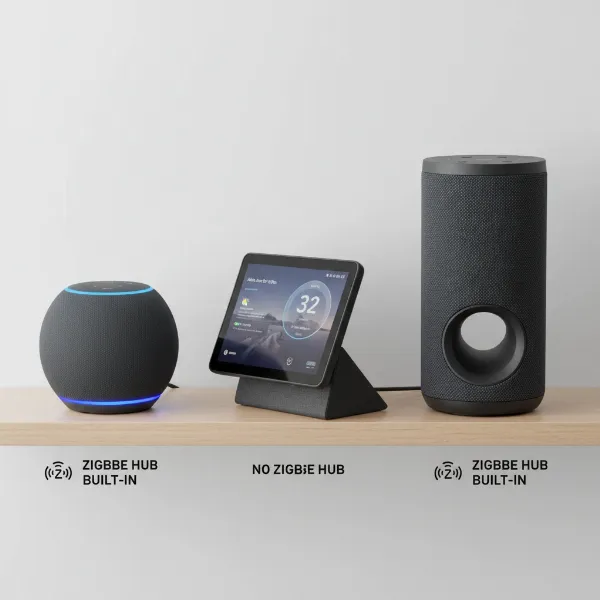
As technology rapidly evolves, smart speakers have emerged as invaluable tools, transforming daily life for many, especially seniors. These intuitive devices offer far more than just playing music; they act as companions, safety nets, and gateways to a more connected and independent lifestyle. For older adults, navigating modern gadgets can sometimes be challenging, but smart speakers are designed with simplicity at their core, empowering users through the power of voice. This guide will delve into the best smart speakers tailored for seniors, highlighting their key accessibility features and how they can significantly improve quality of life.
Popular Smart Speaker Types for Seniors
Understanding the landscape of smart speakers available today is the first step in finding the perfect fit. These devices, powered by advanced artificial intelligence, have evolved from simple audio players into sophisticated personal assistants.
Overview of Smart Speakers
A smart speaker is a voice-controlled device that uses a “digital assistant” to perform various electronic tasks. You simply speak a command or question, and the speaker responds, providing information, playing media, controlling other smart devices, and much more. The journey of smart speakers began with pioneering devices like the Amazon Echo, and has since expanded to include robust offerings from Google Home (now Nest) and Apple HomePod, along with numerous third-party integrations. This evolution has made these devices increasingly sophisticated while striving for user-friendly interfaces.
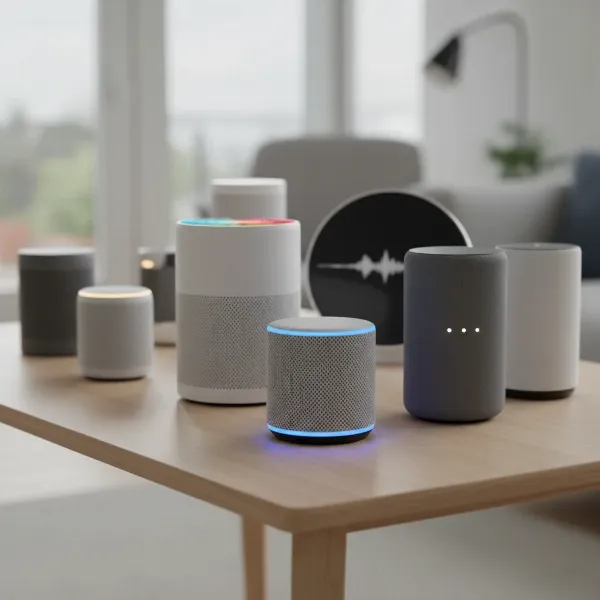 A collection of diverse smart speakers from different brands, showcasing their sleek designs and LED indicators.
Smart Speaker Classification by Features
Smart speakers can be broadly categorized based on their core functionalities, which is particularly relevant for seniors seeking specific benefits.
- Smart Speakers with Voice Assistants: The most common type, these devices rely heavily on built-in voice assistants like Amazon’s Alexa, Google Assistant, or Apple’s Siri. They are ideal for hands-free operation, answering questions, setting reminders, and managing smart home devices. Many also offer hands-free calling and emergency services integration, providing a critical lifeline.
- Smart Speakers with Screens (Smart Displays): Models like the Amazon Echo Show and Google Nest Hub combine voice control with a visual display. These are often considered superior for seniors as they offer clear visual feedback, larger text, and enable video calls, making interactions more intuitive and accessible for those with visual impairments or who prefer a visual cue.
- Smart Speakers with Advanced Smart Home Integration: These speakers are designed to be the central hub for a connected home, allowing seamless control of lights, thermostats, security cameras, and door locks with simple voice commands. This feature is particularly beneficial for seniors who may have mobility challenges, enabling them to manage their environment without physical effort.
Smart Speaker Classification by Size and Design
The physical attributes of a smart speaker can also influence its suitability for seniors, ranging from discreet to more prominent devices.
- Smart Speaker Mini: Compact and often budget-friendly, devices like the Amazon Echo Dot or Google Nest Mini blend seamlessly into any room. While they offer core smart speaker functionalities, their smaller size means they typically have less powerful audio. They are great for placing in multiple rooms for ubiquitous voice access.
- Mid-sized Smart Speakers: Speakers such as the Google Nest Audio or smaller Echo models offer a balance between compact design and improved sound quality. They are versatile, fitting well in living rooms, kitchens, or bedrooms, providing clear audio for music and voice responses.
- Large Smart Speakers: Devices like the Amazon Echo Studio or Bose Home Speaker 300 prioritize premium audio quality. These are best for seniors who are audiophiles or use their smart speaker primarily for listening to music, podcasts, or audiobooks, providing a richer sound experience.
- Unique Design Smart Speakers: Some smart speakers boast distinctive designs that can serve as decorative elements while providing smart functionalities. While aesthetics might be a secondary concern, a sturdy and stable design is always preferable for seniors to prevent accidental knocks or falls.
Guide to Choosing a Smart Speaker for Seniors
Selecting the ideal smart speaker for a senior requires careful consideration of their individual needs, preferences, and technological comfort level. The goal is to choose a device that enhances their life, not complicates it.
Determining Usage Needs
Before diving into specific models, assess what the smart speaker will primarily be used for.
- Daily Assistance: Do you need help with medication reminders, appointment schedules, or creating grocery lists? Many smart speakers excel at these organizational tasks.
- Entertainment: Is the main purpose to listen to music, audiobooks, or news? Consider models known for superior sound quality.
- Communication: Is hands-free calling or video chat with family a priority? Devices with screens are excellent for this.
- Smart Home Control: Do you want to control lights, thermostats, or other smart devices with your voice? Ensure the speaker is compatible with existing or planned smart home gadgets.
- Safety and Security: Are features like emergency calling or fall detection integration crucial for peace of mind? Services like Alexa Together or integrations with medical alert systems are vital.
- Budget: Smart speakers range widely in price. Determine a comfortable budget, remembering that basic models can still offer significant benefits.
Comparing Brands and Models
The market is dominated by a few key players, each with its own ecosystem of devices and services.
- Amazon Echo (Alexa): Alexa is highly versatile, offering strong smart home control and a vast array of “skills.” Features like Alexa Together provide remote caregiving options, including urgent response and activity monitoring, making it a powerful choice for seniors and their families. Amazon Echo Show devices, with their touchscreens, are particularly user-friendly.
- Google Nest (Google Assistant): Google Assistant excels at information retrieval, answering questions quickly and accurately. It integrates well with Android devices and Google services like Calendar and Gmail. Google Nest Hub devices offer screens for visual interaction and video calls.
- Apple HomePod (Siri): Best suited for seniors already immersed in the Apple ecosystem (iPhone, iPad). Siri offers seamless integration with Apple services, personal requests, and HomeKit smart home accessories. The HomePod Mini delivers excellent sound in a compact form factor.
The choice often comes down to which digital assistant aligns best with existing devices and personal preferences.
Factors to Consider When Buying Smart Speakers
Once needs are identified and brands explored, several technical and practical considerations will guide the final decision.
- Audio Quality: For seniors with hearing challenges, clear, crisp sound is paramount. Look for speakers that minimize background noise and offer adjustable volume levels without distortion. Devices like the Bose Home Speaker 300 or Amazon Echo Studio are known for their audio prowess.
- Connectivity: Ensure the speaker has reliable Wi-Fi and Bluetooth connectivity to maintain a consistent connection to the internet and other devices. Simple pairing processes are a plus.
- Smart Features: Prioritize features that directly address the senior’s needs, such as robust reminder systems, easy calling, and straightforward smart home controls. Avoid overly complex features that might lead to frustration.
- Design and Durability: A stable, unobtrusive design is ideal. If a screen is present, ensure it’s large enough for easy readability. Durable construction ensures the device can withstand daily use.
- Price: Balance features with cost. Affordable options like the Echo Dot or Nest Mini offer core functionalities, while premium models provide enhanced audio or screen capabilities.
- Ease of Setup: For many seniors, a complicated setup process can be a significant barrier. Look for devices that offer clear, simple instructions, ideally with voice-guided setup or minimal app interaction.
- Accessibility Features: Beyond basic voice control, consider features like high-contrast displays, larger fonts, and compatibility with hearing aids. The ability to customize voice recognition and response speed can also be beneficial.
- Privacy and Security: Ensure the device offers robust privacy settings, allowing users to control what data is collected and shared. Features like a physical microphone mute button provide extra peace of mind.
Comparison Table: Best Smart Speakers for Seniors
| Model | Pros | Cons | Estimated Price |
|---|---|---|---|
| Amazon Echo Show 8 (3rd Gen, 2023) | Large, clear 8-inch touchscreen; excellent for video calls & visual feedback; robust Alexa Together features; great sound quality. | Higher price point; requires Amazon account. | ~$130 – $150 |
| Amazon Echo Dot (5th Gen) | Very affordable and compact; great entry-level device; good for setting reminders & basic voice commands. | No screen; basic audio quality; less ideal for video calls. | ~$40 – $50 |
| Google Nest Hub (2nd Gen) | 7-inch touchscreen for visual assistance & video calls; excellent Google Assistant integration; “Soli” gestures for touch-free control. | Google ecosystem preference; setup can be slightly complex. | ~$90 – $110 |
| Apple HomePod Mini | Exceptional audio quality for its size; seamless integration with Apple devices; robust Siri capabilities. | Works best within the Apple ecosystem; no screen. | ~$99 – $120 |
| Bose Home Speaker 300 | Premium sound quality; supports both Alexa and Google Assistant; strong voice recognition. | Higher price point; no screen; primarily focused on audio. | ~$200 – $250 |
Tips for Using and Maintaining Smart Speakers
Once you’ve chosen the perfect smart speaker, a few simple tips can ensure seniors get the most out of their device and maintain it for long-lasting performance.
Optimal Placement
The location of a smart speaker significantly impacts its performance, especially voice recognition. Place the speaker in a central, quiet area of the room where the user spends most of their time, such as a living room or bedroom. Avoid placing it near noisy appliances like TVs or fans, which can interfere with voice commands. Ensure it’s on a stable surface, away from edges, to prevent accidental falls. For smart displays, position them at eye level to facilitate video calls and screen visibility.
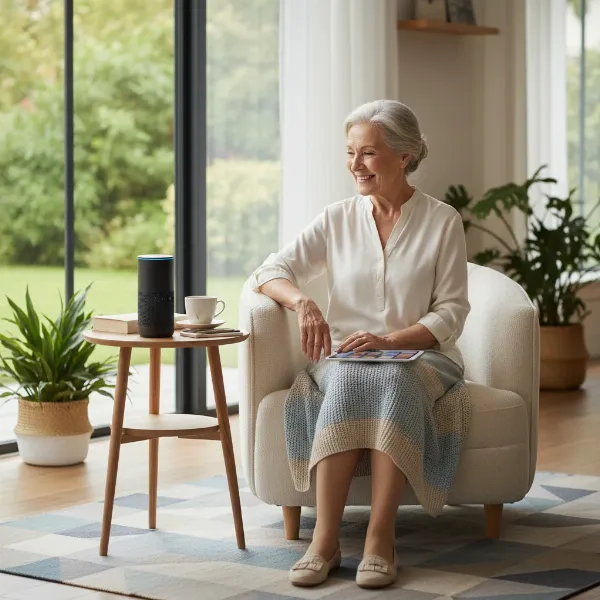 A senior woman comfortably sitting in her living room, smiling as she speaks to a smart speaker device.
Regular Cleaning
Like any electronic device, smart speakers can accumulate dust and grime. Gently wipe the exterior with a soft, dry, lint-free cloth. For models with screens, use a screen cleaner specifically designed for electronics to avoid streaks or damage. Regular cleaning prevents dust from clogging microphones and speakers, ensuring optimal audio and voice command recognition. Always unplug the device before cleaning.
Software Updates
Smart speakers regularly receive software updates that introduce new features, improve performance, and enhance security. Most devices update automatically, but it’s wise to occasionally check for updates through the companion app or device settings to ensure the speaker is running the latest software. Keeping the software current helps maintain smooth operation and protects against potential vulnerabilities.
Proper Usage for Longevity
Encourage seniors to use simple, clear voice commands, speaking naturally without shouting. If the device struggles to understand, try rephrasing the command. Customize settings like response speed or volume to suit individual preferences. For smart speakers with screens, adjust font sizes and contrast for better readability. Teaching the device to recognize the user’s voice can also improve accuracy over time. Always ensure the device is plugged into a stable power source and avoid exposing it to extreme temperatures or moisture.
“Smart speakers truly empower seniors by giving them back a sense of control and connection, bridging the gap that physical limitations or technological complexities often create.” – Dr. Eleanor Vance, Geriatric Technology Specialist.
Conclusion
The best smart speakers for seniors are more than just gadgets; they are powerful tools that foster independence, enhance safety, and combat loneliness. By offering intuitive voice control, clear communication, and robust accessibility features, these devices seamlessly integrate into daily life, providing assistance with everything from medication reminders to staying connected with loved ones. Choosing the right smart speaker involves understanding specific needs, comparing the strengths of different ecosystems like Amazon Alexa, Google Assistant, and Apple Siri, and prioritizing features such as clear audio, user-friendly setup, and comprehensive safety options.
Embracing smart speaker technology can unlock a world of convenience, peace of mind, and engagement for older adults. It’s about finding a technological companion that supports their journey towards a more comfortable and connected future. Which smart speaker feature do you believe would make the biggest difference in a senior’s daily life?
Frequently Asked Questions
What features make smart speakers ideal for seniors?
Smart speakers are ideal for seniors due to features like simple voice-activated controls, clear audio output, and straightforward setup processes. Many models also offer hands-free calling, medication reminders, and smart home integration, which significantly aid independence and enhance daily convenience. Devices with large, high-contrast screens are particularly beneficial for visual accessibility.
How do smart speakers improve seniors’ daily lives?
Smart speakers improve seniors’ daily lives by offering hands-free assistance for various tasks, setting crucial medication and appointment reminders, and providing diverse entertainment options like music and audiobooks. They also enable effortless communication with family and friends and quick access to emergency services, boosting safety, reducing isolation, and supporting mental well-being.
Are smart speakers easy for seniors to use?
Yes, many smart speakers are specifically designed with seniors in mind, prioritizing ease of use. They feature intuitive voice commands that mimic natural conversation, minimizing the need for complex button presses or screen navigation. Clear audio feedback and, in some cases, visual cues on smart displays further simplify operation, reducing potential frustration for older adults.
Can smart speakers help seniors stay connected?
Absolutely. Smart Speakers are excellent for helping seniors stay connected. They facilitate hands-free voice and video calls, making it easy to communicate with family and friends without fumbling with phone buttons or remembering numbers. Features like “Drop In” and voice messaging can also keep loved ones connected, reducing feelings of isolation and supporting social interaction.