Welcome, fellow audio enthusiasts! If you’re anything like us, your passion for pristine sound transcends casual listening, demanding every nuance and detail from your favorite tracks. For years, the realm of smart speakers and high-fidelity audio seemed like two separate universes. Yet, as technology advances, a new generation of smart speakers is bridging this gap, offering audiophile-grade sound alongside the convenience of voice control and smart home integration. But with a market flooded with options, how do you choose the perfect smart speaker that truly satisfies your discerning ears, especially when it comes to high-resolution audio support?
This comprehensive guide is crafted specifically for audiophiles like you. We’ll dive deep into the world of smart speakers designed for superior sound, exploring their core technologies, popular models, essential buying considerations, and practical tips to maximize your listening experience. Get ready to discover the smart speaker that not only streams your music but elevates it to an art form, bringing studio-quality sound directly into your home.
Understanding Smart Speakers for Audiophiles
Smart speakers have evolved far beyond simple voice assistants. For the true audiophile, they now represent a powerful hub capable of delivering exceptional sound quality.
What Are Smart Speakers and How Do They Work?
|
Our Picks for the Best Smart Speaker in 2026
As an Amazon Associate I earn from qualifying purchases.
|
||
| Num | Product | Action |
|---|---|---|
| 1 | Belkin SOUNDFORM Elite Hi-Fi Smart Speaker + Wireless Charger (Alexa Voice-Controlled Bluetooth Speaker) Sound Technology By Devialet, Fast Wireless Charging for iPhone, Samsung Galaxy & More - White |

|
| 2 | Mini Bluetooth Speaker, Smart Wireless Portable Speaker with Touchscreen, Loud HD Sound, LED Lights, BT5.4, All In One Small Audio for Home/Outdoor/Travel/Shower/Party/Beach/Camping/Hiking/Cycling |
|
| 3 | WiiM Sound Lite Smart Speaker, Hi‑Res 24‑bit/192 kHz, AI RoomFit™ Room Correction, 100W Peak, Wi‑Fi 6E/Bluetooth 5.3, Multi‑Room & Stereo Pairing, Black |
|
| 4 | Google Audio Bluetooth Speaker - Wireless Music Streaming, Powerful Sound, Assistant Built-in, Wi-Fi and Bluetooth Connectivity, Smart Home Control, Stereo Pairing - Chalk |
|
| 5 | Portable Bluetooth Speaker Valentines Gifts For Him: Powerful Crystal Clear Sound/Romantic Light/IPX5 Waterproof/All Day Playtime/BT 5.3/TWS Paring,Small Wireless Speaker for Outdoor-Travel-Date Night |
|
| 6 | Bluetooth Speaker with HD Sound, Portable Wireless, IPX5 Waterproof, Up to 20H Playtime, TWS Pairing, BT5.3, for Home/Party/Outdoor/Beach, Electronic Gadgets, Birthday Gift (Black) |
|
| 7 | Bluetooth Speaker with HD Sound and Lights, Portable Wireless, Long-lasting battery life, TWS Pairing, for Home/Party/Outdoor/Travel/Beach, Stocking Stuffers, White Elephant Gifts for Adults (Black) |
|
| 8 | Sony SRS-XB100 Wireless Bluetooth Portable Lightweight Super-Compact Travel Speaker, Durable IP67 Waterproof & Dustproof Shower Speaker, 16 Hour Battery, Versatile Strap, & Hands-free Calling, Black |
|
| 9 | Sonos Era 100 - White - Wireless, Alexa Enabled Smart Speaker |
|
| 10 | aowoka Bluetooth Speaker, 2025 Portable Wireless Speakers with Led Light, Bluetooth 5.4, 24H Playtime, Enhanced Bass, IPX7 Waterproof, Outdoor Speaker for Travel, Sport, Party, Biking. |
|
At its core, a smart speaker is a wireless speaker equipped with an integrated voice assistant (like Amazon Alexa, Google Assistant, or Apple Siri). These devices connect to your home Wi-Fi network, allowing them to stream music, answer questions, control smart home devices, and perform a multitude of tasks using voice commands. For audiophiles, the “smart” aspect extends to advanced digital signal processing (DSP), multi-room capabilities, and crucial support for high-resolution audio formats. Unlike basic Bluetooth speakers, audiophile-focused smart speakers leverage Wi-Fi connectivity to stream uncompressed or lossless audio files, preserving the intricate details of the original recording.
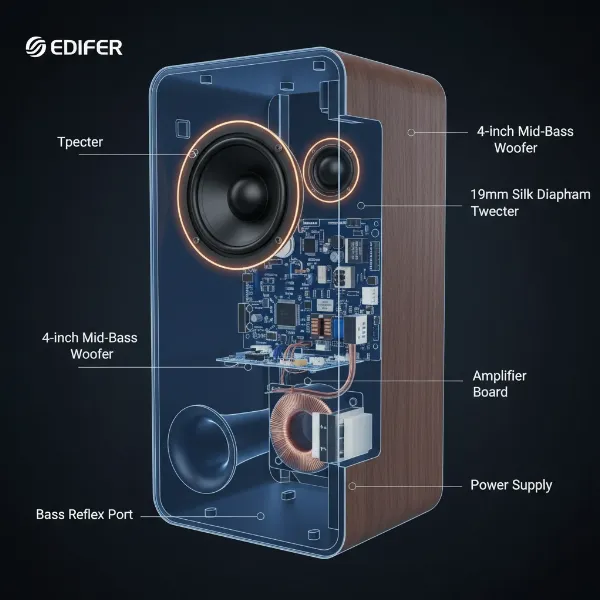
The internal workings typically involve high-quality DACs (Digital-to-Analog Converters), robust amplifiers, and meticulously engineered speaker drivers (woofers, tweeters, and mid-range) designed for optimal sound reproduction. Many also feature advanced room correction technologies that analyze your listening environment and automatically adjust the audio output to compensate for acoustic imperfections, ensuring the best possible sound no matter where the speaker is placed.
A Brief History of Smart Speaker Evolution in High-Fidelity
The journey of smart speakers began with basic functionality and modest sound quality, prioritizing convenience over acoustic performance. Early models primarily focused on voice assistant capabilities and simple music playback. However, as demand for better sound grew, manufacturers began integrating more sophisticated audio hardware and software. The introduction of Wi-Fi streaming as a primary connection method was a game-changer, enabling higher bandwidth for lossless and high-resolution audio formats. Over time, brands known for their audio expertise, such as Sonos, JBL, Bose, and Denon, entered the smart speaker arena, pushing the boundaries of sound quality. The recent inclusion of spatial audio technologies like Dolby Atmos marks a significant leap, offering an immersive, multi-dimensional listening experience that truly appeals to audiophiles seeking a concert-like feel at home.
Prominent Smart Speaker Brands Catering to Audiophiles
Several brands have made significant strides in combining smart features with high-fidelity audio. Key players include:
- Sonos: Renowned for its multi-room audio systems and commitment to sound quality, Sonos offers speakers like the Era 300 and Era 100 that blend smart capabilities with impressive acoustics and spatial audio support.
- JBL: With a rich heritage in audio, JBL’s Authentics series (e.g., Authentics 500, Authentics 200) delivers powerful, clear sound with a stylish retro design, often including advanced room calibration.
- Apple: The HomePod (2nd Gen) and HomePod mini integrate seamlessly into the Apple ecosystem, offering excellent sound quality, especially with Apple Music’s Spatial Audio and Lossless tracks, along with intelligent acoustic mapping.
- Denon: Leveraging its Hi-Fi legacy, Denon Home series speakers provide robust sound and multi-room functionality via HEOS, with support for high-resolution audio files.
- WiiM: Emerging as a strong contender, WiiM offers smart speakers (like the WiiM Sound and Sound Lite) that emphasize high-res audio playback (up to 24-bit/192 kHz) and AI-driven room correction at competitive price points.
- Bose: Known for its balanced sound profile and often sleek designs, Bose offers portable smart speakers and soundbars that deliver quality audio with integrated voice assistants.
 A minimalist living room with a sleek, high-fidelity smart speaker as a centerpiece, subtle ambient lighting, and high-resolution album art displayed on a nearby screen, emphasizing premium audio.
Different Categories of Smart Speakers for Discerning Listeners
When selecting a smart speaker, understanding its classification by features, size, and design can help narrow down the ideal choice for your audiophile setup.
Smart Speakers by Core Features
Smart speakers for audiophiles often come with a combination of high-end audio features and intelligent functionalities.
- With Integrated Voice Assistants: The majority of high-fidelity smart speakers feature built-in voice assistants such as Alexa, Google Assistant, or Siri. This allows for hands-free control of music playback, volume adjustments, smart home devices, and access to information, enhancing convenience without compromising sound. Models like the Sonos Era 300, JBL Authentics 200, and Apple HomePod (2nd Gen) are prime examples, offering robust voice command capabilities alongside their premium audio performance.
- Versatile Smart Speakers with Multi-Device Connectivity: Beyond voice control, many audiophile-grade smart speakers act as versatile hubs. They often support a wide array of streaming protocols like Apple AirPlay 2, Google Cast, Spotify Connect, and TIDAL Connect, ensuring compatibility with your preferred music services. Furthermore, features like multi-room audio allow you to synchronize playback across several speakers throughout your home, creating a cohesive sound environment. Some even offer physical inputs (like USB-C or 3.5mm line-in) to connect external audio sources, such as turntables, giving you even more flexibility.
Smart Speakers by Size and Design Philosophy
The physical attributes of a smart speaker can significantly impact its acoustic performance and how it integrates into your living space.
- Compact Smart Speakers: Perfect for smaller rooms, desks, or nightstands, these speakers prioritize a smaller footprint without sacrificing significant audio quality. While not typically as powerful as their larger counterparts, models like the Sonos Era 100 or the Apple HomePod mini still deliver impressive sound for their size, often featuring stereo separation and enhanced bass.
- Mid-Sized Smart Speakers: Offering a balance between size and performance, these speakers are designed to fill a typical living room with rich, detailed sound. The JBL Authentics 200 is a good example, blending a retro aesthetic with powerful audio components. These speakers often contain multiple drivers and more powerful amplification, providing a wider soundstage and deeper bass.
- Large-Format Smart Speakers: These are often the flagship models designed for uncompromised audio performance. They typically house larger woofers, multiple tweeters, and dedicated midrange drivers, along with advanced acoustic engineering. The Sonos Era 300, with its spatial audio capabilities and array of drivers, falls into this category, designed to create an immersive sound experience that truly envelops the listener.
- Uniquely Designed Smart Speakers: Some brands infuse smart speakers with distinctive aesthetics, making them statement pieces in addition to high-performing audio devices. Examples like the Bowers & Wilkins Zeppelin Pro, with its iconic shape, or the sleek, minimalist design of Denon Home speakers, cater to those who value design as much as sound, ensuring the speaker complements their home decor.
A Comprehensive Guide to Choosing Your Audiophile Smart Speaker
Selecting the perfect smart speaker requires careful consideration of several factors, especially when high-fidelity sound is your top priority.
Identifying Your Unique Listening Requirements
Before diving into specifications, reflect on how you primarily intend to use your smart speaker.
- Primary Use Case: Are you primarily seeking a speaker for critical music listening, where every detail of a high-resolution track is paramount? Or do you need a balanced device that excels in music playback but also seamlessly controls your smart home and provides quick answers via voice assistant? While all smart speakers offer smart features, an audiophile’s focus will skew heavily towards audio performance.
- Essential Features: For high-res audio enthusiasts, look for speakers that explicitly support 24-bit/192 kHz playback, often over Wi-Fi. Spatial audio formats like Dolby Atmos can significantly enhance immersion, especially for compatible tracks on services like Apple Music or Amazon Music Unlimited. Room correction technology is also a key feature, as it optimizes the speaker’s output for your specific room acoustics, a must for achieving true high fidelity.
- Budget Allocation: Audiophile-grade smart speakers span a wide price range. While budget-friendly options exist, truly exceptional sound often comes with a higher price tag. Determine your comfortable spending limit, remembering that investing in a quality speaker can provide years of listening enjoyment. Prioritizing sound quality often means a higher investment, but the rewards in sonic richness are undeniable.
Evaluating Brands and Specific Models
Once you’ve clarified your needs, delve into the market’s offerings.
- Reputable Brands: Focus on brands with a proven track record in both audio and smart home technology. Sonos, JBL, Apple, Denon, and WiiM are frequently cited for their commitment to sound quality in their smart speaker lines. Researching their overall brand philosophy and customer support can also provide valuable insights.
- In-Depth Reviews and Comparisons: Critical reviews from independent audio experts and user feedback are invaluable. Pay close attention to descriptions of soundstage, clarity, bass reproduction, and how well the speaker handles different music genres and high-resolution formats. Comparison articles often highlight the strengths and weaknesses of various models side-by-side, making your decision easier.
- Technical Specifications: While not the sole determinant, technical specifications offer crucial clues. Look for details on driver configuration (number and size of woofers, tweeters, midrange drivers), amplifier wattage, frequency response range, and especially the supported audio codecs and bitrates for high-resolution streaming.
Key Factors for an Informed Purchase
A truly audiophile-worthy smart speaker blends superb sound with smart functionality seamlessly.
- Audio Quality Specifications: This is paramount. Look for explicit support for high-resolution audio formats (e.g., 24-bit/192 kHz PCM, FLAC, ALAC). Dedicated drivers (multiple woofers and tweeters) contribute to better clarity, separation, and a wider frequency response. Room calibration technology, such as Sonos Trueplay or Apple’s acoustic mapping, is essential for optimizing sound in your specific environment. Spatial audio capabilities (like Dolby Atmos) can provide a truly immersive experience, making you feel enveloped by the music.
- Connectivity Excellence: Wi-Fi is crucial for high-resolution streaming due to its bandwidth. Ensure support for Wi-Fi 6 for future-proofing and stable connections. Advanced Bluetooth codecs like aptX HD, aptX Adaptive, or LDAC are beneficial for high-quality wireless streaming from non-Wi-Fi sources, though Wi-Fi streaming is generally superior for lossless audio. Also, check for Apple AirPlay 2, Google Cast, Spotify Connect, and TIDAL Connect to seamlessly integrate with your preferred music streaming services. A physical line-in (USB-C or 3.5mm) expands versatility for connecting external analog sources.
- Smart Features Integration: A smart speaker should offer robust voice assistant functionality without compromising audio. Evaluate the responsiveness and accuracy of the integrated assistant (Alexa, Google Assistant, Siri). Consider multi-room audio capabilities to synchronize music across your home, creating a unified listening environment. Some speakers also act as smart home hubs (e.g., Matter, Zigbee), adding value if you’re building a connected home.
- Design and Durability: Aesthetics matter. Choose a design that complements your home decor, whether minimalist, retro, or contemporary. High-quality materials like aluminum, premium fabrics, and solid construction often indicate better durability and acoustic properties. Consider the speaker’s footprint and how it will integrate into your chosen listening space.
- Pricing and Value: High-fidelity smart speakers can range from a few hundred to over a thousand dollars. Assess the overall value proposition, balancing features, sound quality, and brand reputation against the cost. Sometimes, a slightly higher investment translates to a significantly better and more lasting audiophile experience.
“For audiophiles, a smart speaker isn’t just about playing music; it’s about experiencing every layer, every instrument, every emotion the artist intended, all while seamlessly integrating into your modern lifestyle.” – Dr. Elena Petrova, Lead Acoustic Engineer, AudioTech Innovations
Top Smart Speakers for Audiophiles with High-Res Audio Support
Here’s a curated list of smart speakers that stand out for their exceptional audio quality and high-resolution support, ideal for the discerning audiophile.
| Model | Pros | Cons | Price (Approx.) |
|---|---|---|---|
| Sonos Era 300 | Exceptional spatial audio (Dolby Atmos); Six strategically placed drivers for immersive sound; Wi-Fi 6, Bluetooth, AirPlay 2, USB-C line-in; Multi-room capability; Alexa & Sonos Voice. | Higher price point; Optimal spatial audio for TV requires Sonos soundbar; Limited smart home hub features; No Google Assistant. | $449 |
| JBL Authentics 500 | Premium sound with Dolby Atmos; Room calibration tool; Dual voice assistants (Alexa & Google Assistant); Stylish retro design; Adjustable bass/treble knobs via app. | Premium price; Larger size may not suit all spaces; Wired only (no battery for portability). | $699 |
| Apple HomePod (2nd Gen) | Excellent sound quality with deep bass; Dolby Atmos & Spatial Audio support; Seamless integration with Apple ecosystem (HomeKit, Apple Music); Acoustic mapping for room optimization; Temperature/humidity sensors. | Works best within Apple ecosystem; Limited third-party app support for Siri; Higher price. | $299 |
| WiiM Sound Smart Speaker | High-Res Audio (up to 24-bit/192 kHz); AI RoomFit™ room correction; 1.8″ touch display for album art; Powerful 100W amplifier; Wi-Fi 6E/Bluetooth 5.3; Multi-room & stereo pairing. | Display size is small for extensive info; Voice assistant functionality relies on compatible external devices (e.g., Alexa, Google); Requires additional components for full home theater. | $299 |
| Denon Home 350 | High-fidelity sound with powerful drivers (dual 6.5″ subwoofers); Wi-Fi streaming (HEOS, AirPlay 2); Built-in Alexa & Google Assistant; High-res audio support (up to 24-bit/192 kHz via Wi-Fi). | Bluetooth uses basic SBC codec; Larger footprint; Premium price. | $699 |
(Note: Prices are approximate and can vary based on retailer and promotions.)
Enhancing Your Audiophile Smart Speaker Experience
Getting the best sound from your high-fidelity smart speaker involves more than just plugging it in. Here are some expert tips to optimize your listening enjoyment and maintain your device.
- Strategic Speaker Placement: The placement of your smart speaker significantly impacts sound quality. Avoid placing it in corners, which can exaggerate bass, or too close to walls, which can cause reflections. Experiment with different positions in your room to find the sweet spot where the soundstage is widest and the audio is most balanced. Utilize any built-in room correction features, such as Sonos Trueplay or Apple’s acoustic mapping, which automatically calibrate the sound to your environment. For stereo pairing, ensure speakers are equidistant from your primary listening position and properly spaced apart for optimal imaging.
- Regular Cleaning and Maintenance: Keeping your smart speaker clean not only preserves its aesthetic appeal but also ensures optimal performance. Dust can accumulate on speaker grilles and internal components, potentially affecting sound clarity and component longevity. Use a soft, dry cloth to gently wipe down surfaces. For fabric grilles, a soft brush or a vacuum cleaner with a brush attachment on a low setting can remove dust. Avoid using harsh chemicals or abrasive materials.
- Software Updates are Crucial: Manufacturers frequently release software and firmware updates that improve sound quality, add new features, enhance connectivity, and patch security vulnerabilities. Ensure your smart speaker’s software is always up-to-date. Most smart speakers allow for automatic updates via their companion apps, which we highly recommend enabling to benefit from the latest acoustic enhancements and smart functionalities.
- Optimize Your Streaming Habits: To fully experience high-resolution audio, ensure you’re subscribed to services that offer it (e.g., TIDAL HiFi, Qobuz, Apple Music Lossless, Amazon Music HD). Whenever possible, stream over Wi-Fi rather than Bluetooth to leverage the higher bandwidth and avoid compression. Also, adjust the audio quality settings within your streaming apps to their highest available setting for the best possible fidelity.
Conclusion
The journey for audiophiles to find the perfect smart speaker has never been more exciting. Today’s high-fidelity smart speakers offer a remarkable blend of pristine sound quality, high-resolution audio support, and intuitive smart features. From the immersive spatial audio of the Sonos Era 300 to the retro charm and robust sound of the JBL Authentics series, and the seamless ecosystem integration of the Apple HomePod, there’s a premium smart speaker designed to satisfy even the most discerning ears. By prioritizing features like advanced drivers, room correction, and extensive connectivity options, you can elevate your listening experience to new heights.
Choosing the right smart speaker means aligning its capabilities with your personal audio preferences and lifestyle. Are you ready to transform your listening space and rediscover your favorite music with unparalleled clarity and depth?
Frequently Asked Questions
Can smart speakers truly deliver audiophile-grade sound?
Yes, modern high-fidelity smart speakers, particularly those that support high-resolution audio formats and Wi-Fi streaming, can deliver sound quality that meets audiophile standards. They often feature advanced drivers, robust amplification, and room correction technologies to optimize acoustic performance, providing clear, detailed, and immersive listening experiences.
What is “High-Res Audio” in smart speakers, and why is it important?
High-Res Audio refers to audio files with a higher sampling rate and bit depth than standard CD quality (which is 16-bit/44.1kHz). For smart speakers, this typically means supporting playback up to 24-bit/192kHz. It’s important because it allows for a more accurate and detailed reproduction of the original recording, capturing subtle nuances and dynamics that might be lost in lower-quality formats, leading to a richer and more immersive listening experience.
Is Wi-Fi or Bluetooth better for high-fidelity smart speakers?
For audiophiles, Wi-Fi is generally superior for high-fidelity smart speakers. Wi-Fi offers greater bandwidth, allowing for the streaming of uncompressed or lossless high-resolution audio files without degradation. While advanced Bluetooth codecs like aptX HD or LDAC can deliver improved quality over standard Bluetooth, they still involve some level of compression, making Wi-Fi the preferred choice for truly pristine sound.
Do I need multiple smart speakers for the best audio experience?
Not necessarily, but using multiple smart speakers can significantly enhance your audio experience. Stereo pairing two identical speakers creates a wider, more detailed soundstage. Additionally, multi-room audio functionality allows you to play synchronized music throughout your home, while some spatial audio setups (like Dolby Atmos) benefit from multiple speakers for a truly enveloping sound. However, a single high-quality Smart Speaker can still provide an excellent listening experience.